
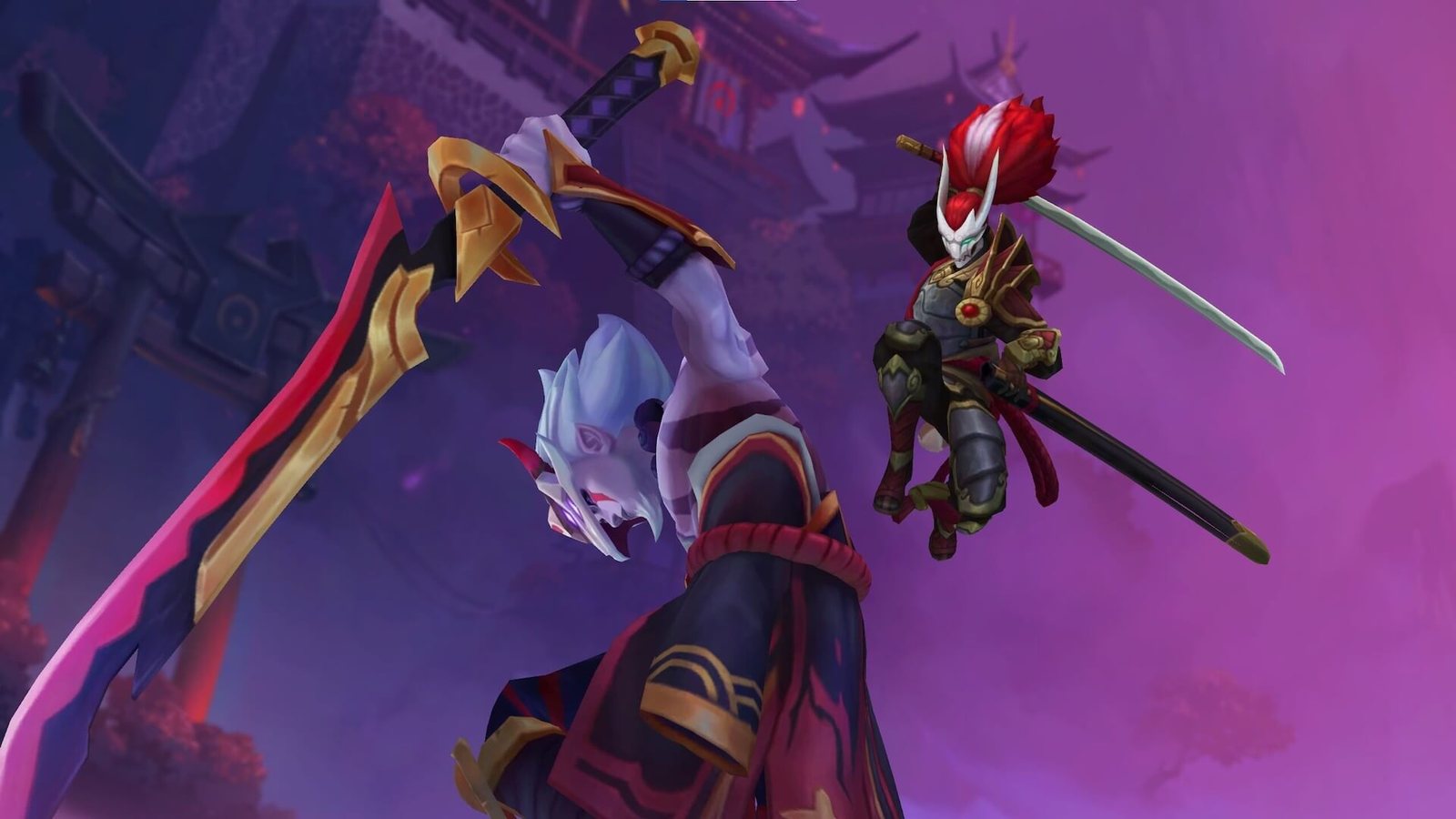
League builds change with every patch, but wave planning is a durable skill. A modest build executed with a clear first recall will outperform a perfect item list with no lane plan.
A Repeatable Mid-Lane Build and Wave Plan
Verified field fixThe shortest safe order for this issue:
- Choose one champion and one first-item spike for ten games.
- Plan the first three waves before the minions meet.
- Review one death per game for wave state, not just the champion matchup.
Build around the first recall
Set a gold target for your first recall and decide what the item lets you do: push, trade, or survive a dive. Do not buy a component just because a guide lists it if the lane state makes the spike unusable. One champion for ten games gives you comparable data.
Champion: one pick, ten games
Wave 1: trade or hold based on matchup
Wave 2: ward priority side before pushing
Wave 3: crash or freeze for first recall
Recall: buy the planned spike, not the most expensive component
Review: one death, one wave decision, one map moveThe first three waves
Decide whether you are pushing for level two, holding the wave near your tower, or preparing a crash for a recall. Practise the same opening in the practice tool. If the enemy jungler changes the plan, note it on the replay timeline instead of calling the plan wrong.
Field notes before you change the build
A League of Legends build is a testable plan, not a screenshot of someone else’s final character. State the patch, the encounter, and the resource budget the plan assumes. If those change, the build is a new hypothesis.
Practise the same encounter and change one ability, item, or upgrade tier. A route or build that only works with perfect execution is not a reliable recommendation, especially in a Proprietary Engine game with variable enemy behaviour.
- Do not spread upgrades across every tree before the core loop is stable.
- Do not copy a build without checking its patch version and resource costs.
- Do not judge a change from one lucky encounter or a highlight clip.
Check it before you keep it
Count one repeatable decision per game
0 / 5 completeBuild for repeatability
Write down the assumptions, test the same scenario, and keep the version that produces fewer panic decisions. That is the build you can actually use.
The line to keep
One champion, one first recall, one review question. That is a build plan you can actually repeat.
Did this fix work on Patch Patch 26.22 — client and Vanguard updates?
One click. No account. Your vote is stored in this browser and de-duplicated per file.
Verified against Patch 26.22 — client and Vanguard updates. Votes are local-only telemetry.
League of Legends: bench questions
2 answersShould I follow a pro build exactly?
How do I stop autopiloting?
Walkthrough & Builds
This field file was tested against the patch context above. If a launcher update changed your menu labels, include the exact build number in a report to the desk.
League of Legends: CTD, DXGI_ERROR_DEVICE_HUNG & Black-Screen Launch Fixes
Stabilise League of Legends on PC: diagnose crash-to-desktop loops, DXGI device-hung resets, black-screen starts, and anti-cheat or DLL launch blocks on Proprietary Engine.
League of Legends: Shader Stutter, Frame Pacing & Proprietary Engine Config Tuning
A measured stutter-hunting routine for League of Legends: shader compilation warm-up, frame-pacing limits, upscaler presets, and the exact Proprietary Engine settings file to edit.
League of Legends: Safe Mod Install, Load Order & Post-Patch Conflict Recovery
Install mods on League of Legends without breaking the build: framework order, script conflicts after a patch, and a clean rollback path that keeps your saves intact.